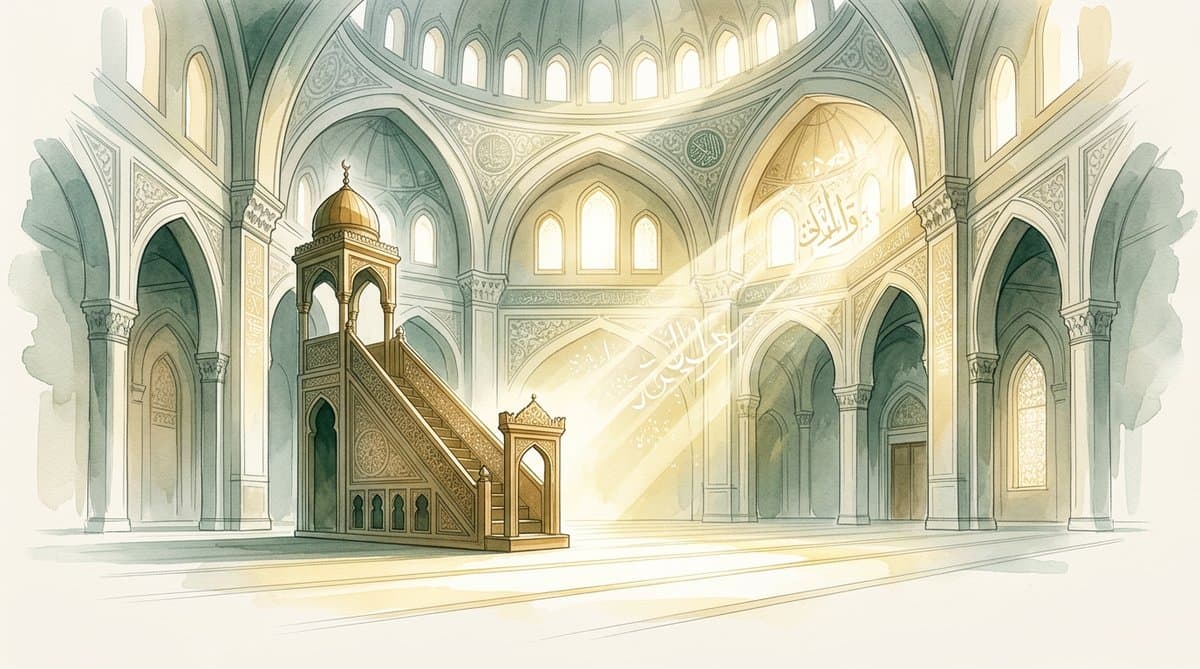
The Jumu’ah prayer, or Friday prayer, is the cornerstone of the Muslim week. It is more than just a congregational act of worship; it is a divinely ordained weekly ‘Eid’ (celebration) that brings the community together for spiritual rejuvenation, guidance, and a powerful display of unity. Its significance is felt deeply across the globe, but it resonates with a unique poignancy when we witness the struggles of our brothers and sisters to uphold this sacred rite at blessed sites like Al-Aqsa Mosque. Understanding the profound depth of the Jumu’ah prayer allows us to not only perfect our own observance but also to stand in spiritual solidarity with the entire Ummah.
The Divine Mandate and Prophetic Sunnah of Jumu’ah
The obligation of the Jumu’ah prayer is established directly in the Quran, marking it as a non-negotiable act of faith for able-bodied Muslim men. Allah Almighty commands in the Quran: « O you who have believed, when the adhan is called for the prayer on the day of Jumu’ah [Friday], then proceed to the remembrance of Allah and leave trade. That is better for you, if you only knew. » (Surah Al-Jumu’ah, verse 9). This verse highlights a clear divine instruction to prioritize the remembrance of Allah over worldly pursuits, establishing Friday noon as a sacred time for collective worship.
The day itself, Yawm al-Jumu’ah, holds a special status in Islam, as emphasized in numerous sayings of the Prophet Muhammad ﷺ. He ﷺ said, « The best day on which the sun has risen is Friday; on it Adam was created, on it he was admitted to Paradise, on it he was expelled from it, and the Hour will not be established except on Friday. » (Narrated by Muslim). This prophetic tradition elevates Friday from a mere day of the week to a day of immense historical and eschatological significance, infusing it with layers of spiritual meaning that should inspire reflection and devotion in every believer.
To honor this blessed day, the Prophet Muhammad ﷺ established a set of practices, or *Sunnah*, that transform the preparation for Jumu’ah into an act of worship itself. These include performing *ghusl* (a full ritual bath), wearing one’s best and cleanest clothes, applying perfume (for men), using the *miswak* to clean the teeth, and proceeding to the mosque early. Each of these actions, when performed with the correct intention, purifies the body and prepares the heart to receive the blessings of the day. They are not mere formalities but a physical manifestation of the inner reverence a Muslim should feel for this weekly appointment with their Creator and their community.
The Khutbah (Sermon): The Heartbeat of the Jumu’ah Prayer
A central and indispensable component of the Jumu’ah prayer is the *khutbah*, or sermon, delivered by the Imam before the two-rak’ah prayer. The *khutbah* is not an optional lecture; it is an integral part of the worship, taking the place of two units of the regular Dhuhr prayer. Its purpose is multifaceted: to praise Allah, send blessings upon His Messenger ﷺ, recite verses from the Quran, and deliver guidance that is relevant to the community’s spiritual and practical life. It serves as a weekly moral and spiritual compass, reminding the congregation of their duties to Allah and to one another.
The Prophet Muhammad ﷺ placed immense emphasis on the etiquette of listening to the *khutbah*. He taught that engaging in idle talk or even distracting others during the sermon is a serious misdeed that can diminish or even nullify the reward of the entire Jumu’ah prayer. Abu Hurayrah reported that the Prophet ﷺ said: « If you say to your companion, ‘Be quiet and listen’ on Friday while the Imam is delivering the sermon, then you have engaged in idle speech. » (Narrated by Al-Bukhari and Muslim). This strict guideline underscores the sanctity of the sermon. It is a time for complete, undivided attention, where the heart and mind should be fully present to absorb the divine reminders being shared.
In our contemporary lives, filled with constant noise and distraction, the *khutbah* offers a precious sanctuary of focused spiritual learning. It is a powerful platform for addressing the challenges facing the Muslim community, from personal ethical dilemmas to broader social issues, all through the lens of the Quran and Sunnah. A relevant and well-delivered sermon can inspire positive change, foster social cohesion, strengthen faith, and provide practical guidance for navigating the complexities of life as a believer. It is the collective intellectual and spiritual nourishment for the week ahead.
Jumu’ah as a Pillar of Muslim Unity and Community
Beyond its individual spiritual benefits, the Jumu’ah prayer is one of the most powerful expressions of Islamic unity. Every week, in every corner of the world, Muslims gather in their local mosques, standing shoulder-to-shoulder in prayer, irrespective of their social status, wealth, nationality, or profession. The king and the commoner, the scholar and the student, all stand as equals before their Lord, facing the same Qibla and following the same Imam. This act is a living, breathing demonstration of the Quranic principle that believers are but one brotherhood.
This weekly gathering is the lifeblood of the local Muslim community. It is a time to connect, to see familiar faces, to greet one another with ‘Assalamu Alaikum’, and to inquire about the well-being of fellow congregants. It combats the modern epidemic of loneliness and social isolation by fostering a genuine sense of belonging and mutual support. Friendships are forged, the sick are asked after, and community news is shared. Ensuring you arrive on time for this communal gathering is crucial, and you can always check the accurate prayer times for your city to plan your day accordingly.
The visible gathering for Jumu’ah is also a powerful public symbol of the Muslim community’s presence and vitality. The sight of mosques overflowing into the streets in many parts of the world is a testament to the enduring strength of faith. It reaffirms the community’s shared identity and values. To help individuals prepare for this important prayer, the Al Muslim Plus app offers a comprehensive collection of authentic hadiths and supplications, allowing believers to deepen their knowledge and spiritual readiness before heading to the mosque.
The Sanctity of Al-Aqsa and Jumu’ah Under Duress
While Jumu’ah is a blessing everywhere, performing it in one of Islam’s three holiest mosques—Masjid al-Haram in Makkah, Masjid an-Nabawi in Madinah, and Masjid al-Aqsa in Jerusalem—carries an unparalleled spiritual weight. Al-Aqsa holds a cherished place in the heart of every Muslim. It was the first Qibla (direction of prayer), the destination of the Prophet’s ﷺ miraculous Night Journey (Al-Isra), and the starting point of his Ascension to the heavens (Al-Mi’raj). The Prophet ﷺ encouraged visiting and praying there, highlighting its immense virtue.
The experience of praying Jumu’ah within the blessed compound of Al-Aqsa, surrounded by centuries of Islamic history and in the footsteps of countless prophets and righteous predecessors, is a profoundly moving experience. It is a gathering that has historically drawn Muslims from every walk of life, a symbol of the Ummah’s deep connection to its sacred heritage. The congregational prayer at Al-Aqsa is not just a local event; it represents the heartbeat of the global Muslim community, a beacon of faith and steadfastness.
Therefore, when access to Al-Aqsa for Jumu’ah prayer is restricted or denied, it is not merely a political or logistical issue; it is a deep spiritual injury felt by the entire Ummah. It is the obstruction of a fundamental act of worship in a place sanctified by Allah Himself. Witnessing our brothers and sisters facing immense hardship simply to fulfill their obligation to pray Jumu’ah should serve as a powerful reminder for those of us who enjoy freedom of worship. It should awaken in us a renewed sense of gratitude for this blessing and motivate us to never take it for granted. This trial becomes a catalyst for unity, inspiring millions to raise their hands in dua for the protection of Al-Aqsa and for the ease of all those who are oppressed.
Practical Steps to Revive the Spirit of Jumu’ah in Your Life
To truly benefit from the blessings of Friday, we must approach Jumu’ah not as a routine obligation but as a profound spiritual event. This requires conscious effort and preparation that begins before Friday and extends beyond the prayer itself. By reviving the Sunnah and focusing our intentions, we can transform our Jumu’ah from a habit into a transformative weekly experience.
Begin Your Preparation Early
The spirit of Jumu’ah should not begin on Friday morning. Cultivate an anticipation for it throughout the week. Make sincere dua that Allah allows you to attend with a present heart. A highly recommended Sunnah is the recitation of Surah Al-Kahf on the day of Jumu’ah. The Prophet ﷺ said, « Whoever reads Surah Al-Kahf on the day of Jumu’ah, will have a light that will shine from him from one Friday to the next. » (Narrated by al-Hakim). You can read it on Thursday night or any time during Friday. Also, increase your sending of blessings upon the Prophet ﷺ throughout the day.
Perfect Your Physical and Spiritual Readiness
On Friday morning, perform the Sunnahs with intention. When you perform *ghusl*, intend to purify yourself for this special prayer. When you wear your best clothes, do it to honor the gathering for Allah’s sake. The use of perfume (for men) and *miswak* are not just for hygiene but are acts of emulation of our beloved Prophet ﷺ that earn rewards. Leaving for the mosque early is another emphasized Sunnah, with great rewards promised for those who arrive in the earliest hours. Using prayer time notifications can serve as a helpful reminder to start getting ready and leave home with ample time to spare.
Maximize Your Time at the Mosque
Upon entering the mosque, pray the two rak’ahs of *tahiyyat al-masjid* (greeting the mosque) before sitting down. If you have arrived early, use the time before the *khutbah* for reciting the Quran, making *dhikr* (remembrance of Allah), or offering voluntary prayers. This is a precious time for quiet contemplation and connection with Allah. Once the Imam ascends the minbar, put away all distractions, silence your phone, and give your complete attention to the sermon. Listen not just with your ears, but with your heart, intending to implement the lessons you learn.
Extend the Blessings Beyond the Prayer
The spiritual impact of Jumu’ah should not end when you leave the mosque. Strive to carry the tranquility and the reminders from the *khutbah* with you throughout the rest of your day and week. Additionally, do not forget the special hour on Friday when supplications are more likely to be answered. The Prophet ﷺ mentioned that « There is an hour on Friday, and if a Muslim gets it while he is standing in prayer and asks Allah for something, He will give it to him. » (Narrated by Al-Bukhari and Muslim). Scholars have suggested this hour is often in the late afternoon, between Asr and Maghrib prayer, so dedicate this time to sincere and heartfelt dua for yourself, your family, and the entire Ummah.
The Jumu’ah prayer is a profound gift from Allah—a weekly opportunity for forgiveness, spiritual elevation, and communal solidarity. It is a reminder of our shared identity as Muslims and our collective responsibility to uphold the tenets of our faith. As we witness the challenges surrounding this sacred prayer at Al-Aqsa and elsewhere, let it ignite in us a deeper appreciation for this rite. Let us strive to perfect our own Jumu’ah, to fill our mosques, and to keep our brothers and sisters in our sincerest prayers, embodying the true spirit of unity and devotion that this blessed day represents.